
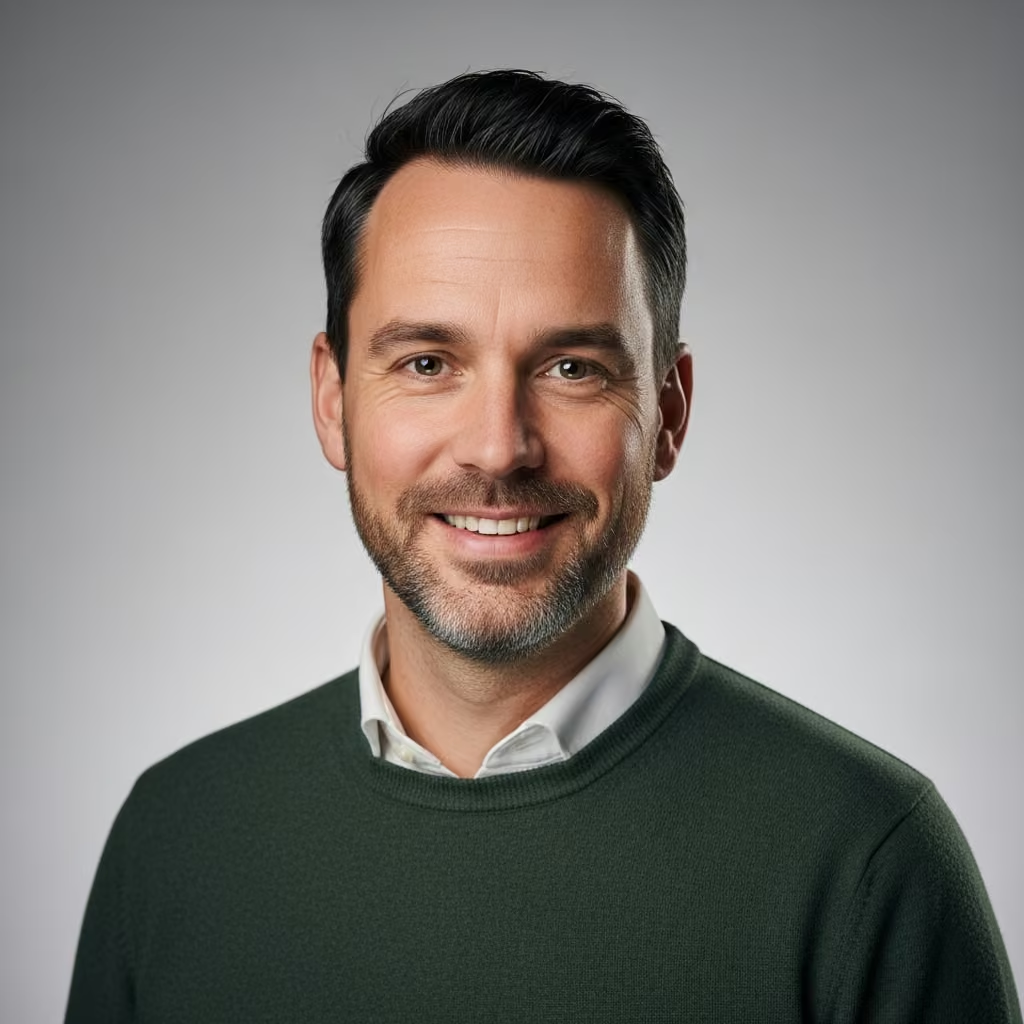
Milan de Wit writes for acarbetcasino.com about roulette and about the environmental side of the gambling industry. He does not work for the casino this site covers.
On roulette his line is consistent and unpopular: no staking system changes the house edge, and the only numbers that matter to a player are the edge on the table in front of them, the minimum stake and the size of the bankroll they brought. What a system does change is how fast you get through that bankroll.
His second subject is the industry’s footprint — data centres, live studios, the energy behind a table that runs around the clock. It is a smaller topic than the games, and a more neglected one.
What this page can tell you about roulette, and what it cannot
Roulette has exactly one decision that moves money before the ball is released, and it is the table. A single number pays 35:1 as though the wheel had 36 pockets; it has 37 with one zero and 38 with two. That gap is the house edge and it sits inside every single bet: 2.70% on a single-zero wheel, 5.26% on a double-zero one, and 1.35% on the even-money bets of a French table that offers La Partage or En Prison. Choosing between those three is the largest effect a beginner can produce, and it costs nothing but attention.
The second thing worth knowing is what a staking system actually does. Martingale, D’Alembert, Fibonacci and Labouchère all decide how much to bet after a win or a loss. None of them changes what a spin pays, so none changes the expected cost of a sequence of bets. What they change is the shape of the outcomes: many small wins and a rare very large loss, instead of a steadier rise and fall. The table maximum is the part most descriptions leave out — it ends a doubling progression after a handful of steps, whatever your bankroll says.
Milan’s pieces turn the edge into a figure you can hold. A live table runs around 40 spins an hour; a 1-unit bet each time moves 40 units of turnover, and 2.70% of that is roughly one unit of expected loss per hour — about half that at a French table. You will never see exactly that number on a single evening, because variance dominates one session. It is the price of the entertainment, not the forecast of an evening, and it is the right number to set a budget against.
His second subject is the part of the industry nobody photographs: the energy behind a live studio that runs around the clock and the data centres behind an RNG lobby. Here too the rule is the same one he applies to bonus terms — an operator either publishes a figure with a date and a method, or it does not, and “carbon neutral” without a document is a slogan. Where an offset programme is published, he reads what it actually funds.
"A good strategy doesn't have to come at the planet's expense - today's smartest players play with a green heart." - Milan de Wit
Articles by Milan de Wit

Roulette for Beginners: Tips, Strategy and the Numbers Behind Them
Roulette comes down to three numbers. The house edge by variant, what a staking system really changes, and how often you are actually ahead after 40, 200 and 1000 spins.
Explore more
Sustainable Gambling: Eco-Friendly Casinos Leading the Way
Imagine winning while helping the planet. Discover the green initiatives transforming online casinos: solar power, tree-planting bonuses and a new emotional dimension to every spin.
Explore moreFrequently Asked Questions
Who is Milan de Wit?
Milan de Wit writes for acarbetcasino.com about roulette and sustainable gambling.
What is Milan de Wit's specialty?
Milan specializes in roulette strategies and sustainable gambling: how to play smart while staying mindful of the gambling industry's environmental impact.
How many articles has Milan de Wit written for this site?
Milan has written on roulette tips for beginners and on eco-friendly casinos. His full list is below.
Is Milan de Wit's advice suitable for beginners too?
Yes. He explains where the house edge comes from and what a staking system can and cannot do, which is exactly what a beginner needs before anything else.
Why does Milan de Wit also focus on sustainability?
Milan believes responsible play and responsible business go hand in hand, which is why he also shares practical tips for playing with both a clear conscience and a green heart.